

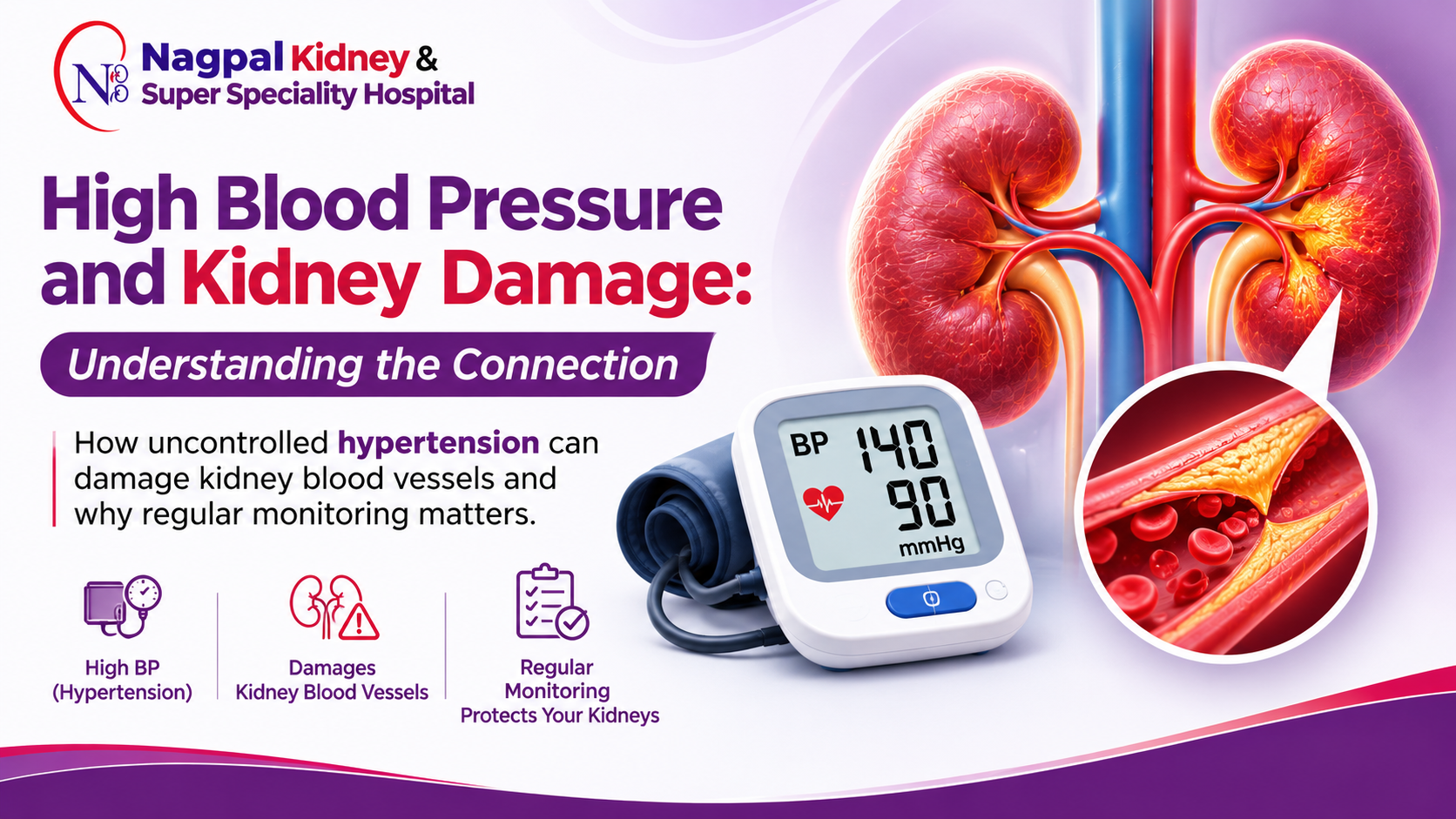
Can high blood pressure damage your kidneys without causing any noticeable symptoms? Yes. Uncontrolled hypertension can gradually damage the small blood vessels responsible for filtering waste from your blood. Over time, this damage may increase the risk of chronic kidney disease (CKD).
Most people associate high blood pressure with heart attacks and strokes. However, your kidneys are equally important organs affected by hypertension.
The relationship between high blood pressure and kidney disease is particularly concerning because both conditions can develop silently. You may feel completely healthy while changes are taking place inside your kidneys.
Understanding this connection, monitoring your blood pressure and getting appropriate kidney function tests can help identify problems early.
What Is High Blood Pressure (Hypertension)?
Blood pressure measures the force of blood pushing against the walls of your arteries as your heart pumps.
A blood pressure reading contains two numbers:
- Systolic pressure: The upper number, indicating pressure when your heart beats.
- Diastolic pressure: The lower number, indicating pressure when your heart relaxes between beats.
For most adults, normal blood pressure is below 120/80 mmHg. Under commonly used guidelines, a consistent average reading of 130/80 mmHg or higher is considered hypertension, although diagnostic thresholds and treatment targets can vary according to the guideline and individual circumstances.
One high reading does not necessarily mean you have hypertension. Doctors generally assess repeated readings and your overall health before making a diagnosis.
Why Does Blood Pressure Matter for Kidney Health?
Your kidneys contain millions of tiny filtering structures called nephrons. Inside these structures are networks of small blood vessels that help remove waste products and excess fluid from the blood.
When blood pressure remains elevated, these delicate blood vessels are exposed to excessive pressure.
Over time, this may interfere with their ability to filter blood efficiently.
How Does High Blood Pressure Damage Your Kidneys?
Uncontrolled hypertension can affect kidney function through several interconnected processes.
1. Damage to Small Kidney Blood Vessels
Healthy kidneys depend on a network of small blood vessels to deliver blood to their filtering units.
Persistent high blood pressure can cause these vessels to narrow, stiffen or become damaged.
As a result, blood circulation within the kidneys may become less efficient, potentially affecting their ability to function normally.
2. Reduced Kidney Filtration
When kidney blood vessels become damaged, the filtering structures may gradually lose their ability to remove waste products and excess fluid effectively.
This can contribute to declining kidney function, which may be reflected in changes in creatinine and estimated glomerular filtration rate (eGFR).
3. Protein Leakage Into Urine
The kidneys normally prevent significant amounts of albumin, an important blood protein, from passing into urine.
High blood pressure can damage the filtering barrier, allowing albumin to leak into urine.
This condition is called albuminuria and can be an early indicator of kidney damage, even when eGFR is relatively preserved.
4. A Harmful Cycle Between Hypertension and Kidney Disease
The relationship works in both directions.
High blood pressure can damage the kidneys, while damaged kidneys may struggle to remove excess sodium and water or regulate blood pressure effectively.
This can lead to further increases in blood pressure, creating a cycle that may worsen kidney function.
The important takeaway: Managing hypertension is not only about protecting your heart. It is also an important part of protecting your kidneys.
Can High Blood Pressure Cause Chronic Kidney Disease?
Yes. Long-standing, poorly controlled hypertension is a recognised cause of chronic kidney disease.
CKD occurs when abnormalities in kidney structure or function persist for at least three months and have implications for health.
Not everyone with high blood pressure develops CKD. The risk depends on several factors, including:
- How long blood pressure has remained elevated
- How effectively hypertension is controlled
- Whether diabetes is also present
- Existing kidney or cardiovascular disease
- Smoking and other lifestyle factors
- Family history and individual health conditions
Early diagnosis and appropriate treatment can help reduce the risk of kidney damage or slow its progression.
What Are the Warning Signs of Kidney Damage From High Blood Pressure?
One of the biggest challenges is that early kidney damage often causes no obvious symptoms.
A person may have hypertension for years without noticing any significant physical changes.
As kidney disease progresses, some individuals may experience:
Swelling in the Feet or Ankles
Reduced kidney function may contribute to fluid retention, causing swelling in the feet, ankles or other areas.
Changes in Urination
Some people notice changes in urination frequency or pattern. However, these changes can have several causes and are not specific to kidney disease.
Foamy Urine
Persistent foamy urine can sometimes be associated with protein leakage, although it is not sufficient to diagnose kidney disease.
Fatigue and Weakness
Advanced kidney dysfunction may contribute to tiredness, weakness or reduced energy levels.
Shortness of Breath
In more advanced cases, fluid accumulation or associated complications may contribute to breathing difficulties.
These symptoms do not automatically indicate kidney damage. They require medical evaluation to determine the underlying cause.
Remember: Waiting for symptoms is not a reliable strategy. Regular testing is especially important for people with hypertension.
Which Kidney Tests Are Important for People With High Blood Pressure?
If you have hypertension, your doctor may recommend tests to assess kidney function and identify early signs of damage.
1. Serum Creatinine Test
Creatinine is a waste product produced by normal muscle activity.
Healthy kidneys remove creatinine from the bloodstream.
An elevated creatinine level may indicate reduced kidney filtration, but the result must be interpreted alongside age, muscle mass, medications and other clinical factors.
2. Estimated Glomerular Filtration Rate (eGFR)
eGFR estimates how effectively the kidneys filter blood.
A persistently reduced eGFR may indicate chronic kidney disease.
Your doctor will interpret the result alongside previous reports and other tests rather than relying on one measurement.
3. Urine Albumin-to-Creatinine Ratio (uACR)
This urine test measures albumin relative to creatinine.
It can help identify kidney damage before significant changes appear in blood creatinine or eGFR.
Persistent albuminuria may indicate increased risk of kidney disease progression.
4. Blood Electrolyte Tests
Your kidneys help maintain the balance of sodium, potassium and other substances.
Electrolyte testing may be important for patients with kidney disease and for those taking certain blood pressure medications.
5. Kidney Ultrasound
A doctor may recommend ultrasound imaging when there is a clinical reason to evaluate kidney size, structure or possible urinary obstruction.
Not every person with hypertension requires every test. The appropriate investigations depend on medical history, blood pressure readings and individual risk.
Why Is Regular Blood Pressure Monitoring Important?
Blood pressure can change throughout the day depending on physical activity, stress, sleep, medications and other factors.
A single clinic measurement may not reflect your usual blood pressure.
Regular monitoring helps your doctor understand whether your hypertension is adequately controlled.
Tips for Monitoring Blood Pressure at Home
- Use a validated upper-arm blood pressure monitor with the correct cuff size.
- Sit quietly for at least five minutes before taking a reading.
- Keep your back supported, feet flat on the floor and arm at heart level.
- Avoid caffeine, smoking and exercise for approximately 30 minutes before measurement.
- Take readings according to your doctor’s recommended schedule.
- Maintain a written or digital record of your readings.
- Carry your BP records and previous kidney test reports to medical appointments.
Your doctor may recommend home monitoring or 24-hour ambulatory blood pressure monitoring when needed.
What Blood Pressure Target Should You Maintain?
There is no single blood pressure target suitable for everyone.
The appropriate goal depends on age, kidney function, albuminuria, diabetes, cardiovascular risk, treatment tolerance and other medical factors.
Some patients with kidney disease may benefit from more intensive blood pressure control, but treatment targets should be individualised by their treating doctor.
Do not adjust your medicines solely based on an isolated home reading without appropriate medical guidance.
How Can You Protect Your Kidneys From High Blood Pressure?
The encouraging news is that several evidence-based measures can help manage hypertension and reduce the risk of further kidney damage.
1. Keep Your Blood Pressure Under Control
Take prescribed medicines regularly and attend recommended follow-up appointments.
Even when you feel well, uncontrolled blood pressure may continue affecting your organs.
2. Reduce Excess Salt Intake
High sodium consumption can contribute to increased blood pressure.
Limit excessive salt and frequently consumed high-sodium packaged foods, such as salty snacks, pickles, instant foods and processed products.
Your doctor or dietitian can recommend an appropriate sodium intake.
3. Manage Diabetes Effectively
Having both diabetes and hypertension increases the risk of kidney disease.
Blood glucose management, blood pressure control and regular kidney screening are especially important when both conditions are present.
4. Stay Physically Active
Regular physical activity can support cardiovascular health and blood pressure management.
Choose activities appropriate for your age and medical condition. Discuss exercise restrictions with your doctor if you have advanced kidney or heart disease.
5. Avoid Smoking
Smoking damages blood vessels and increases cardiovascular risk.
Stopping smoking can support long-term heart and kidney health.
6. Be Careful With Painkillers and Supplements
Frequent or inappropriate use of certain medicines, particularly non-steroidal anti-inflammatory drugs (NSAIDs), may worsen kidney function in susceptible individuals.
Consult a healthcare professional before using over-the-counter painkillers or herbal supplements regularly, especially if you have hypertension or CKD.
7. Attend Regular Kidney Checkups
People with hypertension should discuss the appropriate frequency of kidney function and urine albumin testing with their healthcare provider.
Early identification of abnormalities allows timely evaluation and management.
When Should You Consult a Kidney Specialist for Hypertension?
Many patients with uncomplicated hypertension can be managed by a primary care physician or internal medicine specialist.
However, a nephrologist may be needed when high blood pressure is associated with suspected or established kidney disease.
Consider specialist evaluation if:
- Your blood pressure remains uncontrolled despite prescribed treatment.
- Your creatinine is increasing or eGFR is declining.
- Urine testing shows persistent albumin or protein leakage.
- You have both diabetes and evidence of kidney disease.
- You experience unexplained swelling or other concerning symptoms.
- Your doctor suspects a kidney-related cause of hypertension.
- You have abnormal potassium levels or rapidly worsening kidney function.
Emergency warning: A blood pressure reading above 180/120 mmHg accompanied by chest pain, severe breathlessness, neurological weakness, confusion or vision changes requires immediate emergency medical care.
Even without these symptoms, a persistently very high reading needs prompt medical advice.
Hypertension and Kidney Care in Sri Ganganagar
If you are searching for a hypertension kidney specialist in Sri Ganganagar, it is important to choose a qualified medical professional who can evaluate the relationship between blood pressure and kidney function.
A nephrologist specialises in diagnosing and managing kidney-related conditions, including chronic kidney disease, proteinuria, electrolyte disorders and hypertension associated with kidney dysfunction.
At Nagpal Kidney & Super Speciality Hospital, Sri Ganganagar, patients can consult Dr. Mohit Nagpal, M.D. (Internal Medicine), DM (Nephrology), for kidney-related concerns.
An individualised assessment may involve reviewing blood pressure history, previous laboratory results, medications, diabetes status and relevant kidney investigations.
The objective is to identify kidney-related problems, assess risk and guide appropriate management according to each patient’s clinical condition.
Frequently Asked Questions About High Blood Pressure and Kidney Damage
1. Can high blood pressure damage kidneys even if I feel healthy?
Yes. Hypertension-related kidney damage can develop without noticeable symptoms. Blood pressure monitoring, eGFR testing and urine albumin testing can help identify potential problems.
2. Can controlling blood pressure prevent kidney failure?
Effective blood pressure management can reduce the risk of kidney damage and help slow progression of existing CKD. However, it cannot guarantee that kidney failure will be prevented in every case.
3. Is high creatinine always caused by high blood pressure?
No. Creatinine levels can be influenced by dehydration, medications, muscle mass, acute illness and several kidney-related conditions. Your doctor must evaluate the result in context.
4. Can kidney disease itself cause high blood pressure?
Yes. Kidney disease can affect sodium and fluid regulation and other blood pressure control mechanisms. Hypertension can therefore be both a cause and a consequence of kidney disease.
5. Which test detects early kidney damage in hypertension?
Two particularly useful tests are eGFR, which assesses kidney filtration, and urine albumin-to-creatinine ratio (uACR), which checks for albumin leakage. Both provide complementary information.
6. How often should someone with hypertension get kidney function tests?
Testing frequency depends on blood pressure control, diabetes, existing kidney disease, medication use and overall risk. Your healthcare provider can recommend an appropriate schedule.
7. Can kidney damage caused by hypertension be reversed?
Some changes in kidney function may improve when reversible factors are treated. However, established chronic scarring is often irreversible. Early treatment may help preserve remaining kidney function and slow further damage.
8. When should I see a nephrologist in Sri Ganganagar?
If you have uncontrolled hypertension together with declining kidney function, persistent protein in urine, abnormal electrolytes or other kidney-related concerns, your treating doctor may recommend nephrology consultation.
Conclusion: Protect Your Blood Pressure, Protect Your Kidneys
High blood pressure and kidney health are closely connected.
Uncontrolled hypertension can gradually damage the delicate blood vessels inside your kidneys, sometimes without causing noticeable symptoms.
The most important steps are regular blood pressure monitoring, appropriate kidney function testing, prescribed treatment and consistent follow-up care.
Your blood pressure reading is more than just two numbers. It can be an important indicator of your long-term kidney health.
If you have concerns about hypertension-related kidney damage, seek medical evaluation rather than waiting for symptoms.
Consult a Kidney Specialist in Sri Ganganagar
Dr. Mohit Nagpal
M.D. (Internal Medicine), DM (Nephrology)
Nagpal Kidney & Super Speciality Hospital
Address: 1-G-30, Opp. BSNL Office, Gagan Path, Jawahar Nagar, Sri Ganganagar, Rajasthan.
Contact: +91-86961-82882 | 0154-2460882
Medical disclaimer: This article is intended for general educational purposes and does not replace individual medical consultation, diagnosis or treatment. Do not stop or change prescribed medicines without consulting your healthcare professional.